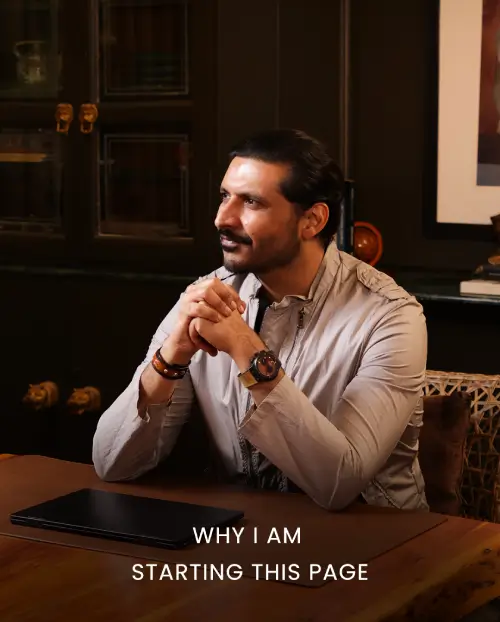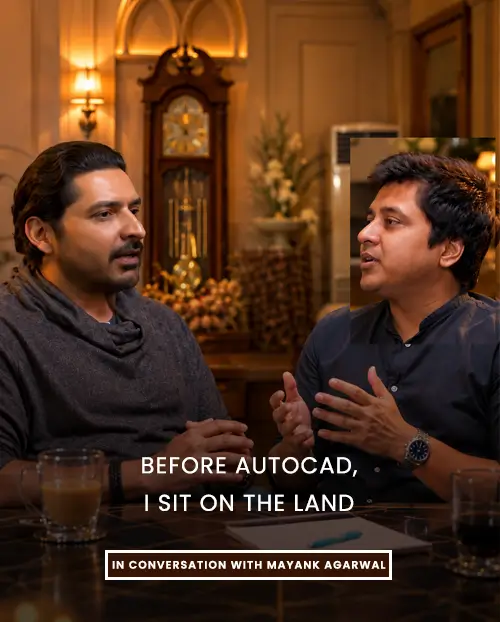
Land, places, and the decisions behind what gets built.
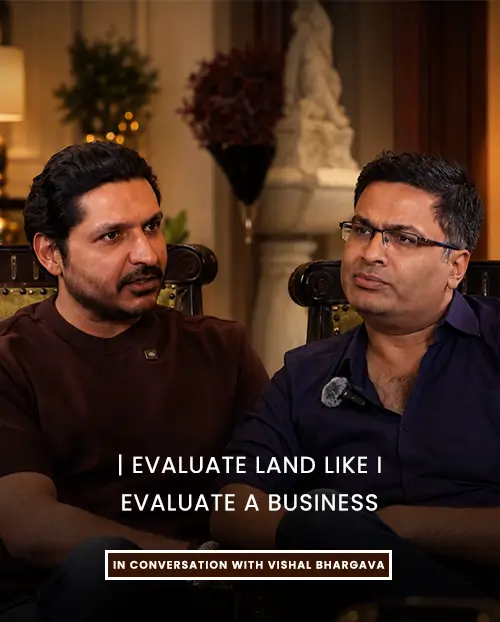
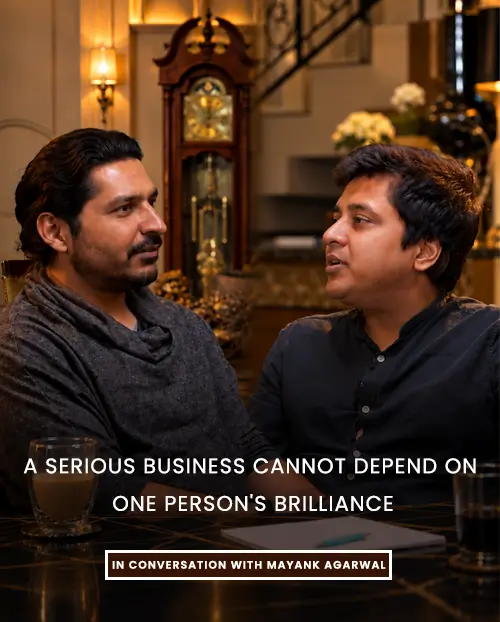
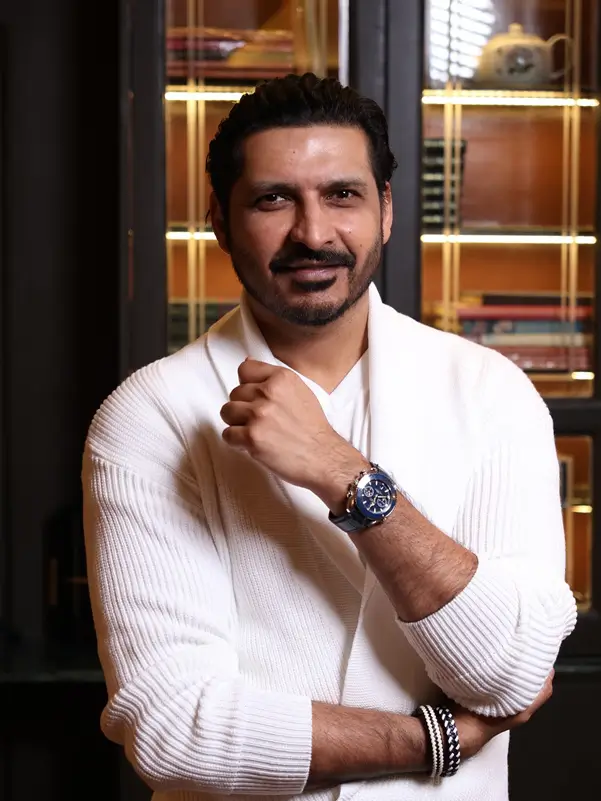
Jatin Agarwal has spent about two decades in real estate — building, investing, making decisions, watching markets change and learning from what worked as well as what did not.
Over time, that has made him less interested in predicting price and more interested in understanding what makes a place become useful, trusted and worth returning to.
Real estate, investment and operating businesses
Across Konark group's development history
Family development legacy since 1983
Eltria
Jatin's career has not followed a perfectly linear path. He started building businesses young, moved between fitness, real estate, hospitality investing, land and social-impact technology, and spent years inside a family real-estate business that had already lived through several market cycles.
That range gave him a useful perspective: businesses can look completely different on the surface and still be decided by the same fundamentals - people, behaviour, trust, capital, timing, systems and execution.
Real estate made those lessons particularly unforgiving. The longer the cycle, the more clearly assumptions, structure and execution reveal themselves.
“A wrong assumption can sit quietly for years before it becomes obvious.
A good decision can look premature before it looks intelligent.”

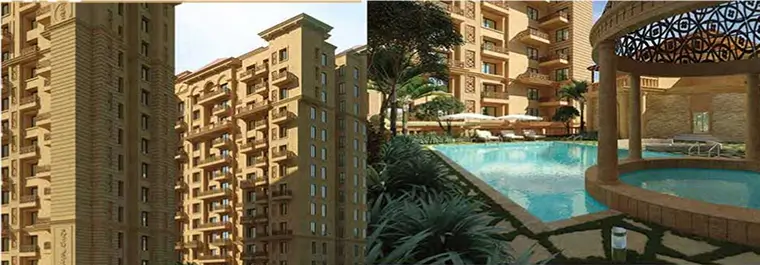
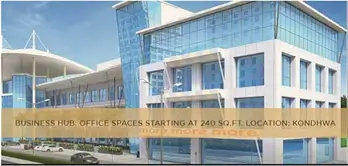

Jatin's grounding in real estate came through Konark Karia Builders, his family's development business. Beginning in 2006, he worked across the business and served as a Partner, gaining exposure to residential, commercial and township development across multiple market cycles.
Konark was established in 1983, and across its history the group developed more than 60 projects across Mumbai, Pune and Lonavala — spanning residential developments, commercial projects, townships and community-led formats. Being inside that environment provided something difficult to learn from a single project: exposure to cycles — and to the hundreds of earlier choices through which real-estate outcomes are usually shaped.
“I saw locations that initially felt too far become established neighbourhoods. I saw access change behaviour. I saw product-market fit matter more than a fashionable address. I saw the value of planning for how people actually live, not only how a building photographs.”
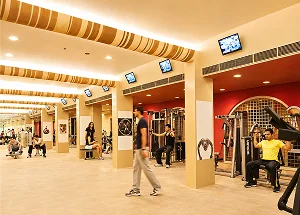
Before real estate became the centre of his professional life, Jatin founded and ran Endurance Fitness Club as Founder and Managing Director.
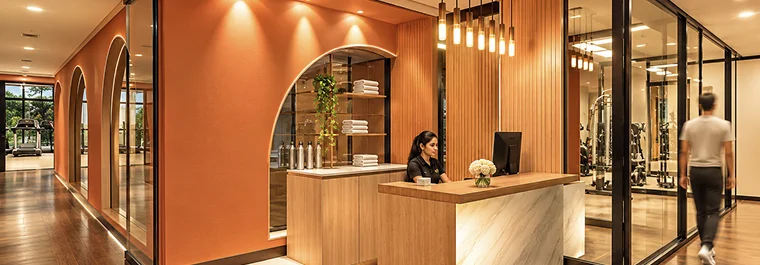
Endurance grew into a multi-club fitness business across Pune, operating approximately 300,000 sq ft at scale and serving tens of thousands of members over its journey. At a time when organised health clubs were still an emerging category in the city, the business introduced new formats and large-format club experiences that helped make structured fitness part of a new urban routine.
The chapter taught a different kind of operating discipline: the product had to work every day, people had to return, service had to be consistent and community mattered.
“The first visit can create aspiration. Repeated use is what proves the place.”



A managed-farm-plot venture that deepened Jatin’s understanding of land as both an asset and a lived experience.

A social-impact technology venture Jatin co-founded around the formalisation and financial inclusion of domestic workers.
Thanks to this Bill Gates-backed startup, domestic help was getting paid in india's cash crunch economy.
Founded and led a multi-club fitness business across Pune; at scale, approximately 300,000 sq ft under management and tens of thousands of members.
Family development business; worked across the business and served as a Partner, with exposure to multiple development formats and real-estate cycles.
Hospitality investments and exits, social-impact technology and managed land — operating chapters that broadened the capital, service and trust lens.
Building a hospitality-backed land and place-making platform; first major development taking shape near Khopoli in the wider Mumbai 3.0 Growth Corridor.
Founder-led editorial property for ideas, decisions, trade-offs and conversations with people who know more.

Konark / Real Estate - Jatin Agarwal, then CEO of Konark-Karia Builders, discusses the changing definition of luxury in Pune's hospitality market.
Read Original
Serv'd - Coverage of Serv'd's $100,000 DFS Lab grant and its focus on financial inclusion for workers in the informal economy.
Read Original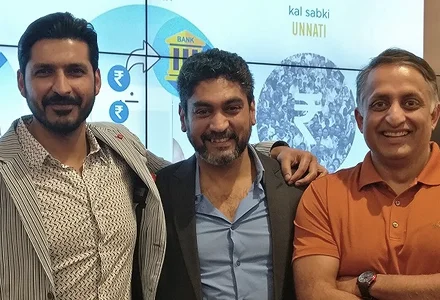
Serv'd - A founder-focused account of the thinking and circumstances that led to the creation of Serv'd.
Read Original
Fintech startup SERVâ€TMD, which provides financial services for the unorganised workforce, has received investment of $100,000 (Rs 67 lakh) from Digital Financial Service Lab (DFS Lab),
Read Original
In the runup to the ET Startup Awards 2017 jury meeting today, your favourite newspaper brings you what the jury members expect in a winner. Today,
Read Original
The four-decade-long pursuit of excellence in the realty industry, Konark-Karia Builders has been actively involved in changing the skyline of Pune and Mumbai with projects that essay a grand lifestyle.
Read Original
Today accumulated thinking from different chapters is being applied through Eltria.
Eltria asks a different question:
Can land become more than something people buy and wait on?
Can it become a place people use, trust, spend time in and return to?
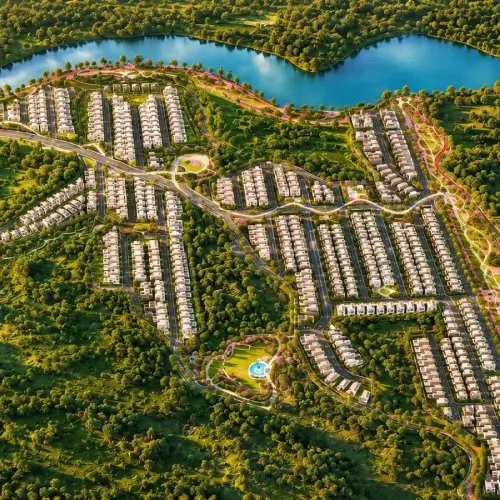
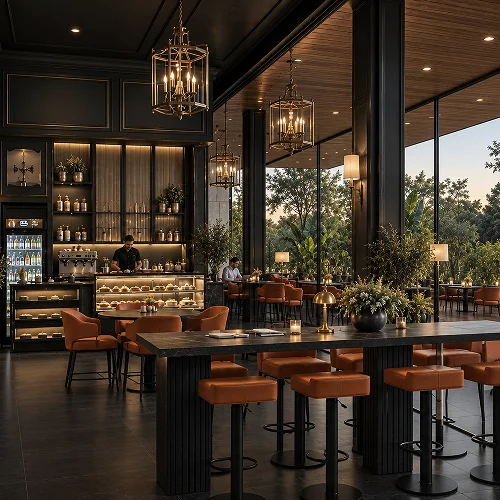
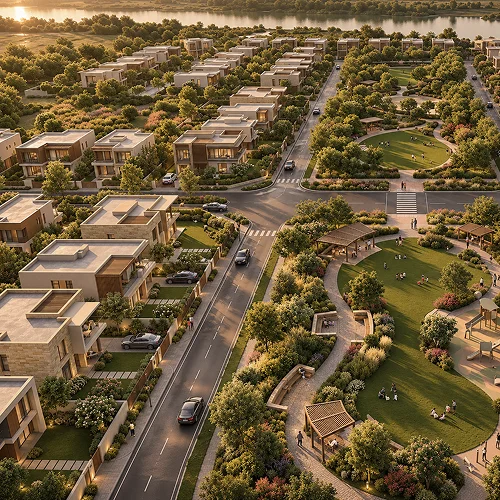
That changes the development conversation. It means thinking about access, infrastructure, landscape, public spaces, hospitality, governance, operations and long-term stewardship from the beginning — not as decoration added after the plots are sold.
ELTRIA'S FIRST MAJOR DEVELOPMENT
Taking shape near Khopoli,
in the wider Mumbai 3.0 growth corridor.
A hospitality-backed land development
envisioned as a long-term destination.
“None of these gives certainty. Together, they help me ask better questions.
And in land, better questions are often more valuable than fast answers.”
Where are people moving - and why?
Does connectivity actually change behaviour, or does it merely look impressive on a map?
Are people beginning to work, spend, meet, stay or build routines differently?
Are title, planning, approvals, phasing, capital and execution strong enough for the idea to survive uncertainty?
Will people feel comfortable committing time, money and eventually their families to the place?
After the first visit, is there a genuine reason to come back?
“I am still operating. Still making decisions. Still changing my mind when better evidence appears. Still learning where judgement was right and where it was not.”